
"The Power of Believing: Naruto's Most Inspirational Dialogues"
"The Power of Believing: Naruto's Most Inspirational Dialogues"
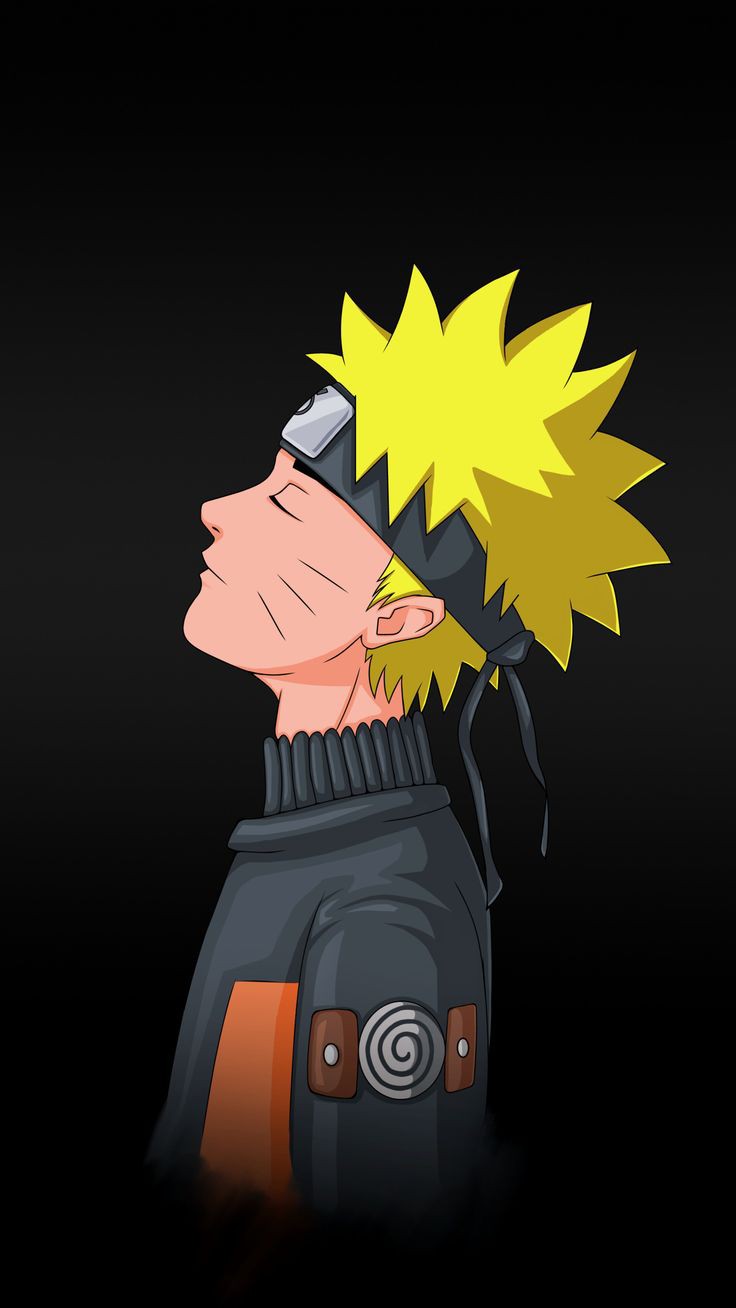
Naruto consists of two main parts: the original Naruto series, which aired from 2002 to 2007, and its sequel, Naruto: Shippuden, which aired from 2007 to 2017. The anime adaptation of Naruto has gained widespread popularity both in Japan and internationally, and it has movies, video games, and a spin-off series called Boruto: Naruto Next Generations, focusing on the next of characters.

" Believe it!"
Naruto often exclaims "Believe it!" as his catchphrase throughout the series. This phrase reflects Naruto's unwavering determination, indomitable spirit, and refusal to give up on his dreams and goals. The phrase "Believe it!" represents Naruto's desire to be acknowledged and accepted by others, despite his troubled past and being ostracized as a child. It reflects his determination to prove his worth and become the Hokage, as well as his belief in the power of friendship and bonds with his comrades.
" I won't run away anymore... I won't go back on my word... that is my ninja way!" - Naruto Uzumaki

This quote explain Naruto's growth and development throughout the series. At the beginning of the story, Naruto is seen as an immature and impulsive character. However, as he progresses, he learns the importance of keeping his promises and standing up for what he believes in. This dialogue signifies Naruto's commitment to never backing down, no matter the challenges he faces. It reflects his determination to become a strong and reliable ninja who keeps his word.
"Those who break the rules are scum, but those who abandon their friends are worse than scum." - Kakashi Hatake

Kakashi, Naruto's mentor, emphasizes the significance of loyalty and friendship with this quote. He believes that true strength lies not only in following rules but also in standing by one's friends and comrades. This dialogue emphasizes the value of trust
Inspirational speeches
"When people get hurt, they learn to hate... when people hurt others, they become hated and racked with guilt. But knowing that pain allows people to be kind. Pain allows people to grow... and how you grow is up to you." - Jiraiya

Jiraiya, Naruto's godfather and mentor, shares this insightful dialogue about the nature of pain and its role in personal growth. He highlights the idea that experiencing pain and hardships can lead to a deeper understanding of others' suffering and a greater capacity for empathy. By acknowledging and learning from their pain, individuals can choose to become better versions of themselves and make positive changes in the world.
| "It's not the face that makes someone a monster, it's the choices they make with their lives." - Naruto Uzumaki |

Naruto shares this insightful perspective on what defines a person as a "monster." He believes that appearances alone do not determine someone's character. Instead, it is the choices individuals make and the actions they take that shape who they are. This dialogue promotes the notion of looking beyond surface judgments and understanding the complexity of individuals based on their decisions and behavior.
"People live their lives bound by what they accept as correct and true. That's how they define 'reality'. But what does it mean to be 'correct' or 'true'? Merely vague concepts... Their 'reality' may all be a mirage. Can we consider them to simply be living in their own world, shaped by their beliefs?"

Itachi reflects on the subjective nature of reality and challenges the notion of absolute truth. He questions how people define what is correct and true, suggesting that their perceptions may be shaped by their own beliefs and biases. This dialogue highlights Itachi's philosophical nature and his ability to question the order.
Motivational quotes
"Those who turn their hands against their comrades are sure to die a terrible death. But there are exceptions. There are those who abandon their friends in order to achieve their ambitions, and they consider that to be the right path."
Itachi explores the consequences of betraying one's comrades and the conflicting justifications people may have for doing so. He acknowledges that while most who betray their friends meet an unfortunate fate, some individuals rationalize their actions as necessary for their personal ambitions. This dialogue reflects Itachi's understanding of the complexities of human motivations and the choices they make.

"Even the strongest of opponents always has a weakness."
Itachi conveys his strategic mindset and analytical abilities with this dialogue. He believes that no matter how an opponent may seem, there is always a weakness that can be exploited. It reflects Itachi's keen perception and ability to find vulnerabilities, making him a formidable adversary.
Hashirama Senju, one of the founding members of Konohagakure and a highly respected figure in the Naruto series, has delivered several memorable dialogues. Here are a few examples:

"Power is not will; it is the phenomenon of physically making things happen."
Hashirama emphasizes that power is not merely a matter of will or desire but rather the ability to take tangible action and make things happen. This dialogue highlights his practical and action-oriented approach to achieving goals and effecting change.
"The children of this age have become too accustomed to peace. They will be the ones to pay for it with their lives. The time has come for them to understand what real pain is."
Hashirama reflects on the dangers of complacency and how an extended period of peace can make people vulnerable. He recognizes the importance of understanding the true nature of hardship and struggle in order to appreciate and protect the peace they enjoy. This dialogue showcases his foresight and concerns for future generations.

"The tree of life has many branches, yet we are all connected at the roots."
Hashirama speaks metaphorically about the interconnected of all living beings. He highlights the idea that despite the diversity and differences among individuals, there is a fundamental unity that binds them together. This dialogue reflects Hashirama's wisdom and his belief in the importance of recognizing .
"Those who do not acknowledge their true selves are bound to fail."

Tobirama emphasizes the importance of self-awareness and authenticity. He believes that individuals who deny or hide their true nature are destined to face difficulties and setbacks. This dialogue reflects Tobirama's practical and realistic approach to life and leadership.
"The strong rule the weak? That's the type of world that I, Tobirama Senju, refuse to acknowledge!"
Tobirama expresses his rejection of a world where the strong oppress the weak. As a proponent of equal treatment and fairness, he stands against the abuse of power. This dialogue demonstrates his commitment to creating a just society and ensuring that everyone has an opportunity to thrive.
"Even a person can make the right decision if they focus their determination."

Tobirama highlights the potential for personal growth and positive change, even in individuals who may initially appear foolish or lacking in understanding. He believes that with determination and focus, anyone can make the right choices and achieve meaningful progress. This dialogue reflects Tobirama's belief in the capacity for growth and development within every individual.
" True hero isn't measured by the size of his strength, but by the strength of his heart."

Minato emphasizes that true heroism is not solely determined by physical power, but rather by the compassion, empathy, and integrity that reside within one's heart. This dialogue reflects Minato's belief in the importance of moral character and the qualities that make someone a genuine hero.
"The true measure of a shinobi is not how he lives, but how he dies."

Minato reflects on the legacy of a shinobi and their impact on the world. He believes that the true measure of a shinobi's worth lies not in the length of their life, but in how they use their abilities and make sacrifices for the greater good. This dialogue reflects Minato's understanding of the selfless nature of being a shinobi and the significance of leaving a positive legacy.
"A kunai is a tool, but it's just a tool. It's only as good as the shinobi who wields it."

Minato emphasizes the idea that weapons and tools are only as effective as the skills and abilities of the shinobi who utilizes them. He highlights the importance of individual skill, strategy, and mastery in combat. This dialogue reflects Minato's belief in the power of personal growth and honing one's abilities.
Motivation


Post a Comment